Best First Foods for Babies After 6 Months: A Parent’s Guide
Starting solids is an exciting milestone in your baby’s journey. Around six months, many babies are ready to begin exploring complementary foods alongside continued breastfeeding, introducing new tastes, textures, and nutrients into their daily routine.
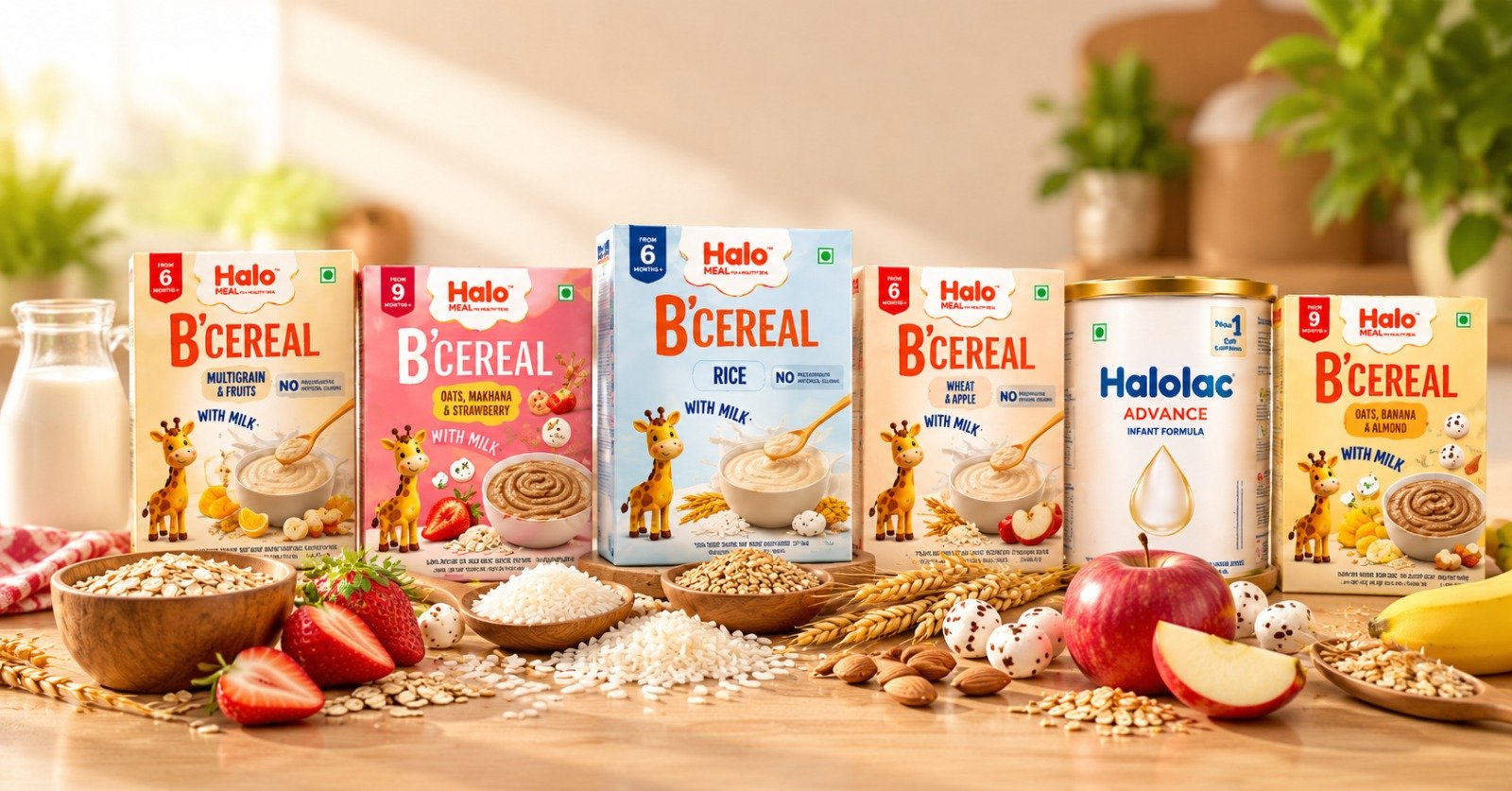
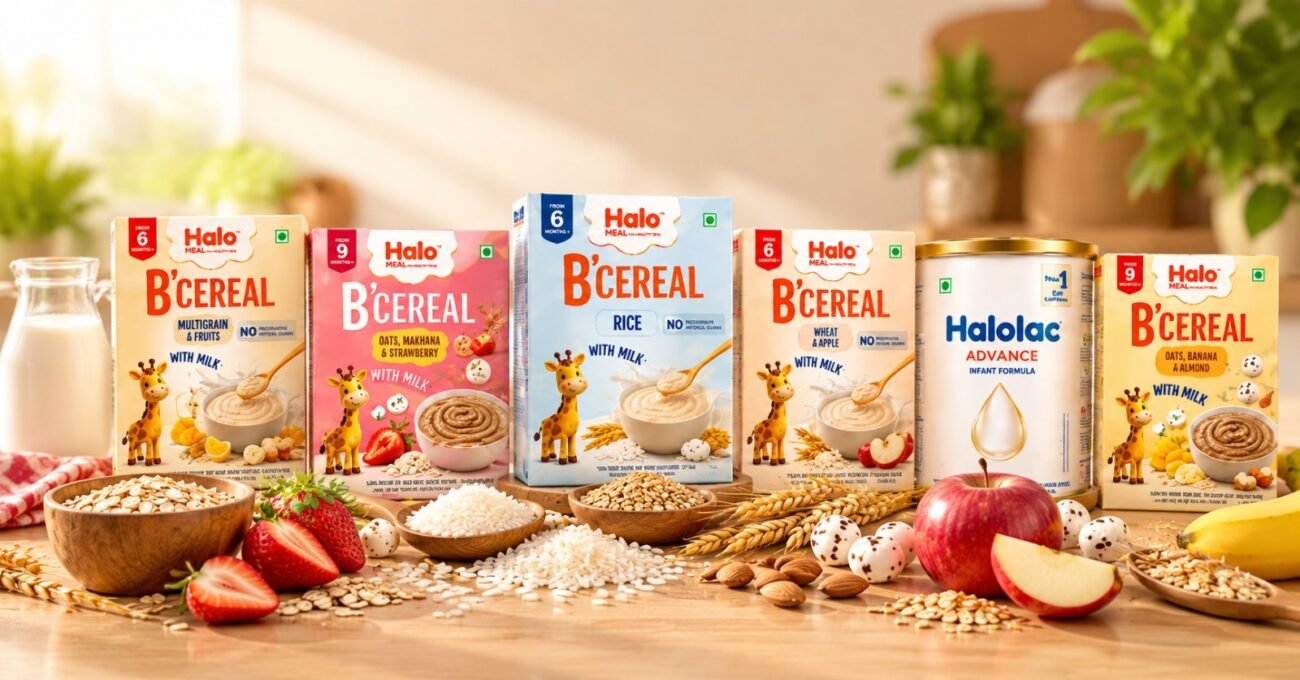
At HaloMeal, we understand that parents want food that is convenient, thoughtfully prepared, and suitable for their little one’s growing needs.
That is why HaloMeal brings together thoughtfully prepared baby foods designed for different stages of early childhood, helping make mealtimes simple, nourishing, and enjoyable.
When Can Babies Start Eating Solid Foods?
Around 6 months is a common time to begin complementary foods, provided the baby is developmentally ready. Readiness is about more than simply reaching a certain age.
Some signs of readiness may include:
- Being able to sit upright with good head and neck control
- Showing interest in food when others are eating
- Being able to coordinate bringing objects toward the mouth
- Opening the mouth when food is offered
- Being able to swallow food rather than repeatedly pushing it out with the tongue
What Makes a Good First Food?
There is no single food that every baby must eat first. Instead, parents can gradually introduce a variety of nutritious foods.
Good first foods are generally:
- Soft and easy for babies to manage
- Nutrient-dense
- Prepared in an age-appropriate texture
- Free from unnecessary added salt and sugar
- Introduced in small amounts initially
- Varied over time to expose babies to different flavors and nutrients
The goal is not simply to fill a baby’s stomach. Complementary feeding is also an opportunity to introduce different flavors and textures and help babies develop their eating skills.
Explore about us: https://halomeal.com/about-us/
Best First Foods for Babies After 6 Months
1. Soft Fruits
Fruits can be a convenient way to introduce naturally sweet flavors and different textures.
Suitable options may include:
- Banana
- Ripe avocado
- Soft pear
- Mango
- Papaya
- Soft, ripe peach
Fruits can be mashed, pureed or prepared in another age-appropriate form. As a baby’s eating skills develop, appropriately soft pieces or finger foods can gradually be introduced.
Always prepare fruits carefully and remove seeds, pits, tough skins or other parts that may create a choking hazard.
2. Cooked Vegetables
Vegetables provide a range of nutrients and introduce babies to flavors beyond naturally sweet fruits.
Some options include:
- Sweet potato
- Pumpkin
- Carrot
- Potato
- Peas
- Broccoli
- Cauliflower
Vegetables should be cooked until soft enough to mash easily. Depending on the baby’s developmental stage, they can be mashed, pureed or offered in appropriately soft pieces.
3. Iron-Rich Foods
Iron deserves special attention when babies begin complementary feeding.
Iron is an important nutrient for babies, and including iron-rich foods as part of complementary feeding can help support their nutritional needs.
4. Soft Grains and Cereals
Grains can provide energy and carbohydrates as part of a balanced diet.
Options may include:
- Oats
- Soft-cooked rice
- Suitable infant cereals
- Soft grain-based preparations
Prepare grains so they have a texture that is appropriate for your baby’s developmental stage. Avoid adding unnecessary sugar or salt.
5. Plain Full-Fat Yogurt
Plain, pasteurized, full-fat yogurt can be introduced as part of complementary feeding where appropriate.
It provides nutrients such as protein and calcium and can also offer a smooth texture that many babies find easy to manage.
Choose plain varieties without added sugar. If your baby has a known milk allergy or other dietary concern, consult your healthcare professional before introducing dairy foods.
6. Eggs
Eggs can be a nutritious addition to a baby’s diet when prepared thoroughly and served in a suitable texture.
Start with a small amount of well-cooked egg and observe your baby. As with other potentially allergenic foods, parents should understand how to introduce them safely and seek professional guidance if their baby has particular allergy risks.
7. Lentils and Beans
For families following vegetarian diets, lentils and beans can be useful sources of protein and other nutrients.
They should be cooked until very soft and prepared in a texture appropriate for the baby’s developmental stage.
Lentils can be mashed or incorporated into soft meals, while beans should be prepared carefully to reduce choking risk.
Avoid Honey Before 12 Months
Honey should not be given to babies younger than 12 months because of the risk of infant botulism.
Avoid Whole Nuts
Whole nuts can present a serious choking risk. If nuts are introduced, they should be offered in an appropriate safe form.
Limit Added Salt and Sugar
Babies do not need foods heavily seasoned with salt or sugar. Focus on naturally nutritious ingredients.
Avoid Unpasteurized Foods
Unpasteurized milk and certain unpasteurized foods can carry harmful bacteria and should be avoided.
Shop at: https://halomeal.com/shop-2/
How HaloMeal Can Support the Complementary Feeding Journey
Starting complementary foods can feel overwhelming when parents are trying to balance nutrition, convenience and variety.
Frequently Asked Questions
1. What are the best first foods for a 6-month-old baby?
There is no single best first food. Nutritious options can include soft fruits, cooked vegetables, iron-rich foods, suitable grains, eggs and other age-appropriate foods prepared in safe textures.
2. Can babies eat fruits after 6 months?
Yes. Soft fruits such as banana, avocado, ripe pear and mango can be introduced in suitable forms. Fruits should be prepared carefully to reduce choking risks.
3. Can a 6-month-old baby eat vegetables?
Yes. Cooked vegetables such as sweet potato, pumpkin, carrot, peas and broccoli can be introduced when prepared in an appropriate soft texture.
4. Should babies continue breastfeeding after starting solid foods?
Yes. Complementary foods are introduced alongside breast milk or infant formula. Milk remains an important source of nutrition during the early stages.
5. How much food should a 6-month-old baby eat?
The amount varies from baby to baby. When complementary feeding starts, babies may initially eat only small quantities. Parents should pay attention to hunger and fullness cues rather than forcing a particular amount.
Conclusion:
Starting complementary foods after 6 months is an exciting new chapter in your baby’s development. Rather than searching for one perfect first food, parents can focus on gradually introducing a wide variety of nutritious foods in safe, age-appropriate textures.
From soft fruits and cooked vegetables to iron-rich foods, grains, eggs and other suitable options, variety can help babies discover new flavors while receiving important nutrients.
HaloMeal is here to make the journey toward wholesome baby nutrition simpler, more convenient and more enjoyable – one little meal at a time.
Follow us on Instagram: https://www.instagram.com/eat.halomeal/