Baby Food Ideas for 6 to 24 Month Old Babies
Introducing solid foods is an exciting milestone for every parent. From the first spoonful of soft cereal to exploring different fruits, vegetables, grains, and family foods, babies discover new tastes and textures as they grow. Choosing suitable foods at each stage can help parents build healthy feeding habits from an early age.
If you are a new mom looking for baby food ideas for 6 to 24 month old babies, this guide will help you explore nutritious food options, understand changing feeding needs, and make mealtimes easier with simple ideas for your little one.
Why Is Nutrition Important for Babies Aged 6 to 24 Months?
The first two years of life are an important period of growth and development. During this time, babies gradually learn to eat a variety of foods while developing their feeding skills.
From around 6 months, breast milk alone may no longer provide all the nutrients a baby needs, particularly iron and zinc. Complementary foods help fill these nutritional gaps while breast milk or infant formula continues to provide important nutrition.
Baby Food Ideas for 6 to 8 Month Old Babies
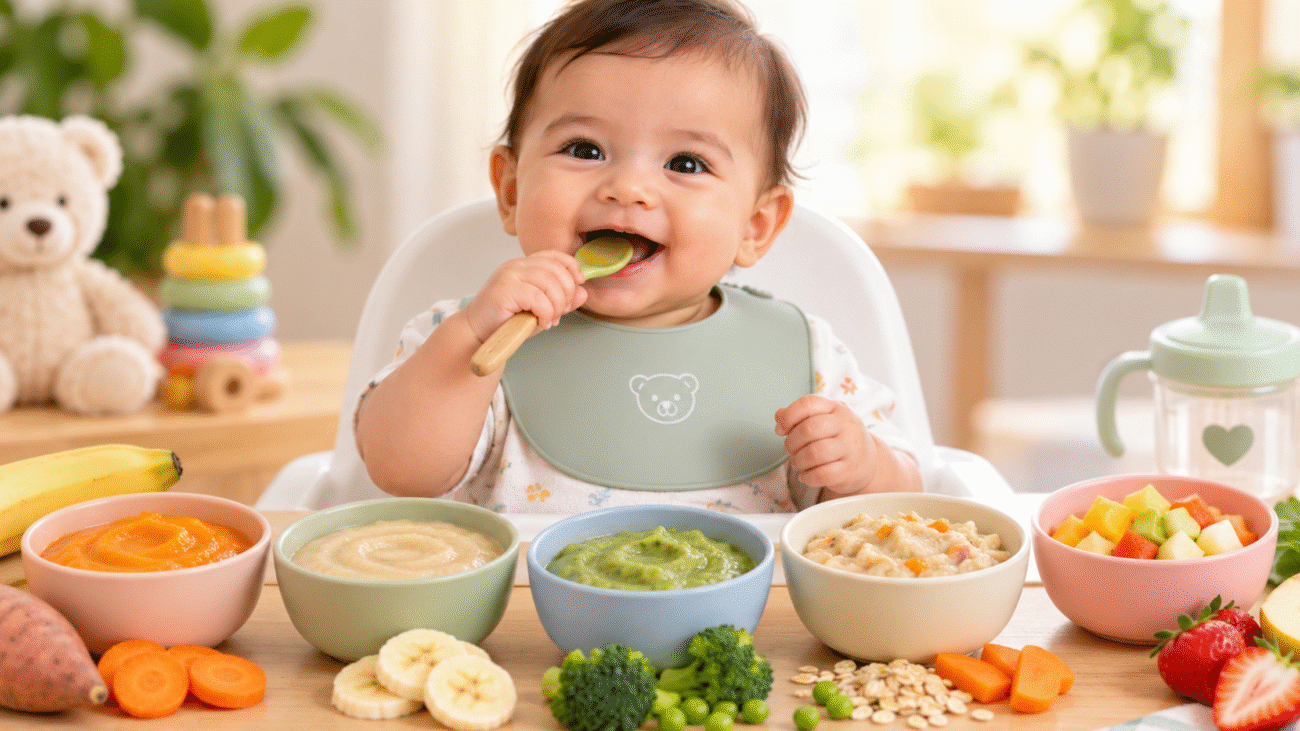
At around 6 months, many babies are ready to begin complementary feeding. Look for signs of readiness, such as being able to hold their head steady, sit upright with support, and swallow food rather than automatically pushing it out with their tongue.
Start with small amounts of soft food and gradually increase variety and texture as your baby becomes comfortable.
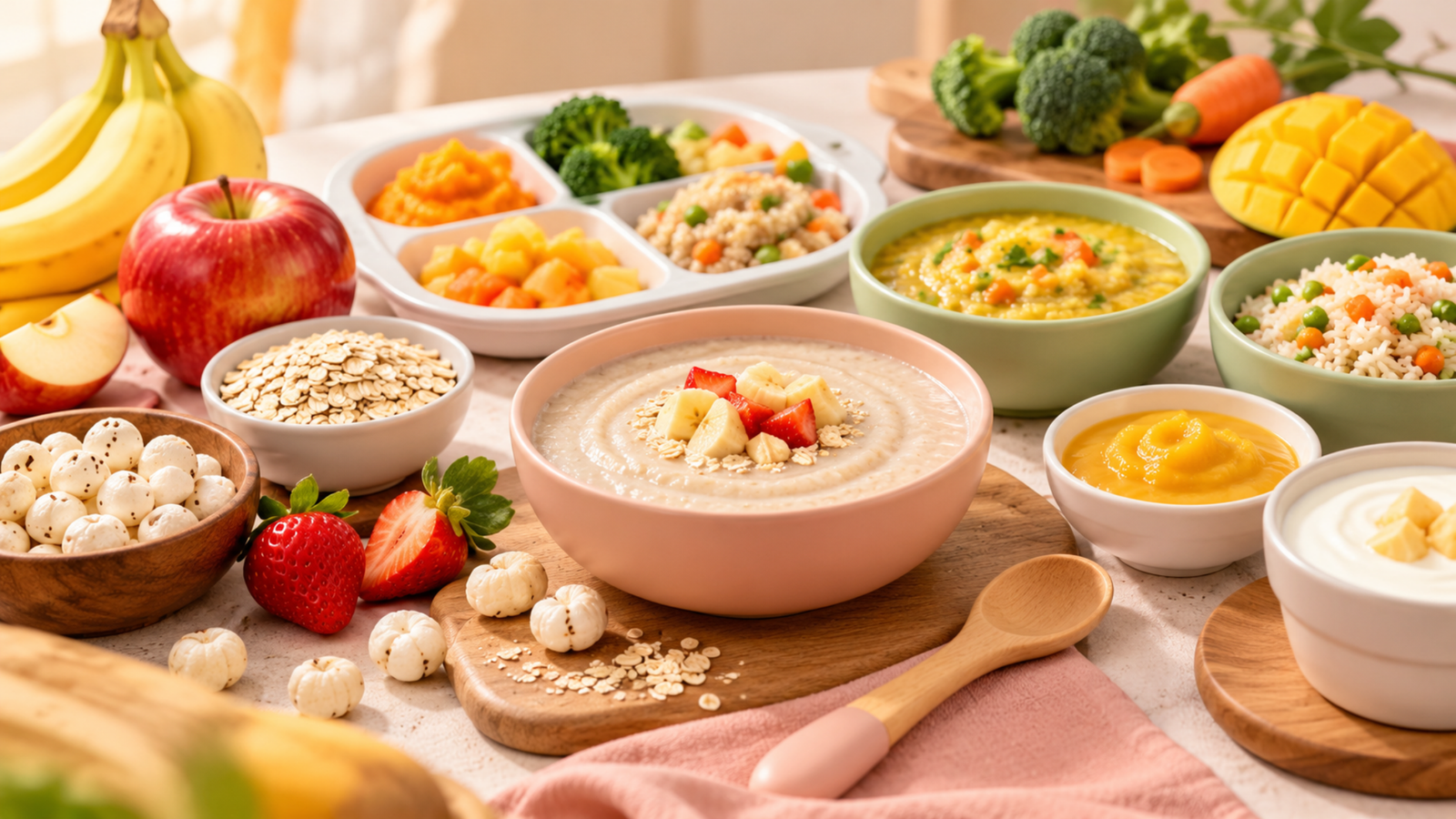
1. Soft Rice Porridge
Rice porridge is a simple food option for babies who are beginning solids. Cook rice thoroughly with water until it becomes very soft, then mash or blend it to an appropriate consistency.
For better nutritional variety, rice can be offered alongside iron-rich foods rather than being the only cereal in your baby’s diet.
2. Soft Oats Porridge
Oats can provide carbohydrates, fibre, and other nutrients. Cook oats thoroughly until soft and adjust the consistency with water, breast milk, or prepared infant formula as appropriate.
Choose plain oats without added sugar or unnecessary flavourings. As your baby develops feeding skills, the porridge can gradually become thicker.
3. Mashed Banana
Ripe banana is easy to mash and can be offered as one of your baby’s first foods. Serve it in a smooth or soft, slightly textured form suitable for your baby’s abilities.
Banana can also be combined with other age-appropriate foods once each ingredient has been introduced safely.
4. Mashed Sweet Potato
Sweet potato provides carbohydrates and beta-carotene. Steam or boil it until completely soft, then mash it thoroughly.
Avoid adding salt or sugar. As your baby grows, you can offer thicker mashed textures rather than keeping every food completely smooth.
5. Well-Cooked Dal
Well-cooked lentils or dal provide plant-based protein and other nutrients. Cook them until soft and mash them to a consistency your baby can manage.
Pairing lentils with a variety of other foods can help create balanced meals. Make sure the food is not too watery and does not contain hard or undercooked pieces.
How Often Should Babies Eat?
Feeding frequency generally increases as babies grow:
6–8 months: Begin with small amounts and gradually work towards around 2–3 complementary meals per day, based on readiness and appetite.
9–11 months: Many babies need around 3–4 complementary meals daily, with additional nutritious snacks as appropriate.
12–24 months: Offer regular meals and usually 1–2 nutritious snacks, depending on appetite and family routine.
These are general recommendations. Continue breastfeeding or infant formula as appropriate, and consult your healthcare professional if you have concerns about intake, growth, or feeding difficulties.
Food Safety Tips Every Parent Should Know
Safe preparation is just as important as choosing nutritious foods.
- Avoid honey before 12 months: Honey can contain spores that may cause infant botulism.
- Limit added salt and sugar: Babies do not need added salt or sugar in their complementary foods.
- Prevent choking: Avoid whole nuts, popcorn, whole grapes, hard raw vegetables, and other choking hazards. Prepare foods in safe shapes and textures.
- Supervise every meal: Seat your baby upright and remain close while they eat. Do not feed a baby while they are lying down, crawling, or moving around.
- Introduce allergens thoughtfully: Foods such as egg, peanut, dairy, wheat, soy, sesame, fish, and other common allergens should be introduced in safe, age-appropriate forms. Never give whole nuts or thick spoonfuls of nut butter to babies.
- Prepare food hygienically: Wash hands, use clean utensils, cook foods thoroughly, and store leftovers safely.
- Avoid choking-risk foods: Remove bones from fish and meat, remove pits and seeds where appropriate, and ensure foods are soft enough for your child’s abilities.
If your baby shows signs of a serious allergic reaction, such as difficulty breathing or swelling of the tongue or throat, seek emergency medical care immediately.
Frequently Asked Questions
1. What foods can I give my 6-month-old baby?
Once your baby shows signs of readiness for complementary feeding, you can offer iron-rich infant cereal, soft lentils, mashed banana, cooked sweet potato, and other suitable foods. Start with small amounts and gradually introduce variety and texture.
2. Can babies eat rice every day?
Rice can be part of a baby’s diet, but it is best to offer a variety of grains and other food groups rather than relying on rice alone. A varied diet helps provide different nutrients and reduces dependence on a single staple.
3. Which foods are suitable for babies aged 9 to 12 months?
Suitable options may include soft khichdi, well-cooked dal, ragi porridge, soft idli, cooked vegetables, egg, and age-appropriate finger foods. Adjust the texture according to your baby’s development.
4. What should I feed my 1-year-old baby?
A 1-year-old can generally enjoy a variety of soft, age-appropriate family foods, including rice and dal, vegetables, egg, fruit, and suitable dairy products. Continue offering balanced meals and avoid excess salt and added sugar.
5. Can toddlers aged 18 to 24 months eat family food?
Many toddlers in this age group can eat modified family meals. Ensure the food is soft enough to chew, cut into safe pieces, and free of choking hazards. Avoid excessively salty or sugary preparations.
Conclusion:
Feeding your baby from 6 to 24 months is a gradual journey of discovery. From soft porridge and mashed fruits in the early months to varied family foods as your toddler grows, the aim is to provide safe, nutritious meals that suit each developmental stage.
Focus on food variety, appropriate textures, iron-rich options, responsive feeding, and safe preparation. Every baby develops at their own pace, so adjust meals to your child’s needs and seek professional guidance whenever you have concerns.
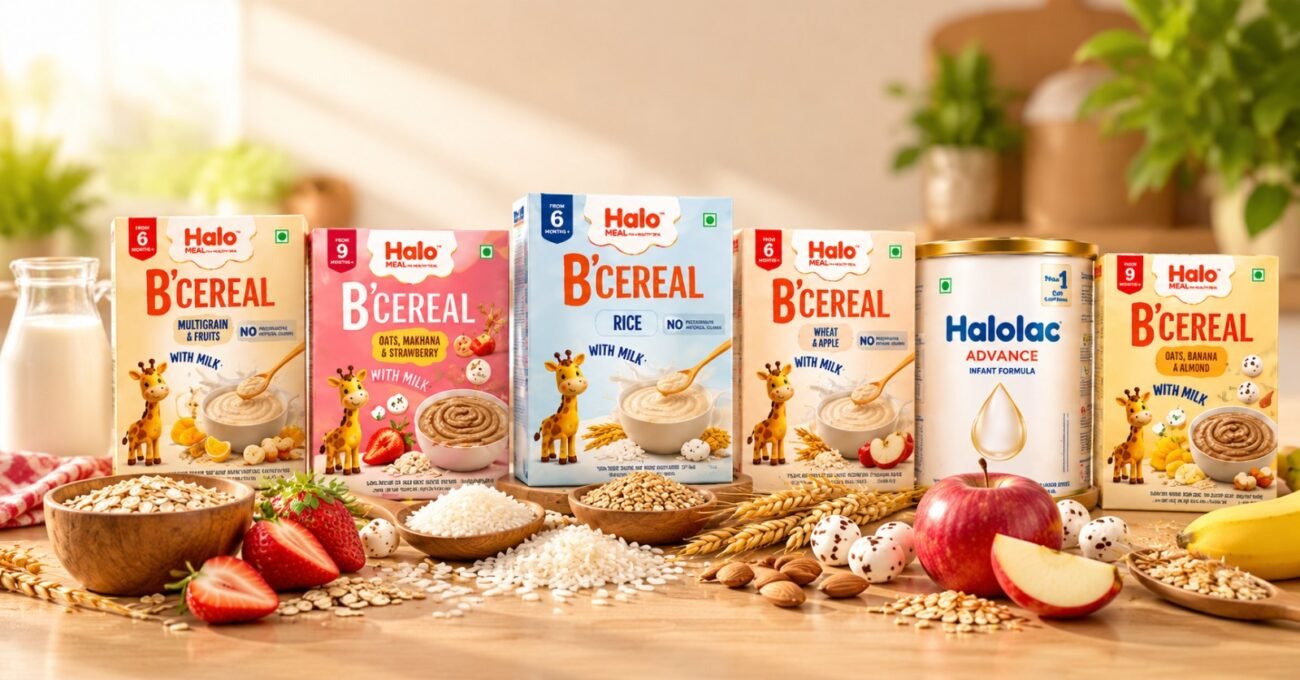
Make every mealtime an opportunity to explore, learn, and grow with Halo Meal.
Visit https://halomeal.com/ to explore Halo Meal’s baby cereal range.
Follow us on Instagram: https://www.instagram.com/halomeal.india/