Baby Food Chart: 6 to 24 Months Feeding Guide for Moms
A baby’s first two years are an important time for learning about food, developing eating skills, and establishing healthy feeding habits. As your little one grows, their nutritional needs, food preferences, and ability to chew and swallow change.
For moms and caregivers, knowing what foods to introduce, how to prepare them, and how often to offer meals can make everyday feeding easier.
This baby food chart for 6 to 24 months provides age-wise food ideas, meal frequency guidance, texture recommendations, and practical feeding tips. It is designed to help parents plan a varied diet while continuing appropriate milk feeds.
Baby Food Chart: 6 to 24 Months at a Glance
A baby food chart helps parents understand how food variety, texture, and meal frequency can change as their child grows. The World Health Organization (WHO) recommends introducing complementary foods at around six months while continuing breastfeeding, with food consistency and variety increasing gradually as the child develops.
1. Baby Food Chart for 6–8 Months
Around six months, many babies are ready to begin complementary feeding alongside breast milk or infant formula. Readiness signs generally include being able to sit upright with support, having good head and neck control, and being able to swallow food rather than consistently pushing it out.
2. Baby Food Chart for 9–11 Months
Between nine and eleven months, babies gradually develop better hand-to-mouth coordination and oral feeding skills. Many can begin exploring soft finger foods alongside mashed and finely chopped meals.
3. Baby Food Chart for 12–18 Months
After the first birthday, children can gradually eat more of the family’s foods, provided meals are prepared with suitable textures and without excessive salt or added sugar.
4. Baby Food Chart for 19–24 Months
By 19–24 months, many toddlers are developing greater independence during mealtimes and can enjoy a wide variety of family foods.
Tips for feeding toddlers
Toddlers may accept a food one day and reject it the next. Repeated, pressure-free exposure can help them become familiar with new tastes and textures.
Try these approaches:
- Offer meals and snacks at reasonably consistent times.
- Serve small portions and allow your child to ask for more.
- Eat together when possible.
- Offer different food groups across the day.
- Avoid forcing your child to finish a plate.
- Limit sugary drinks and foods with added sugars.
The goal is to encourage a varied diet and a positive relationship with food.
How Often Should You Feed a Baby Between 6 and 24 Months?
The general WHO guidance for complementary feeding is:
- 6–8 months: Offer complementary foods 2–3 times daily.
- 9–11 months: Offer complementary foods 3–4 times daily.
- 12–23 months: Offer 3–4 meals daily, with 1–2 nutritious snacks as desired.
Continue appropriate milk feeds alongside complementary foods. These meal frequencies are general guidance and may need to be adapted to your child’s needs and circumstances.
Important Baby Feeding Safety Tips for Moms
Safe food preparation is just as important as choosing nutritious ingredients.
1. Avoid honey before 12 months
Honey should not be given to babies younger than 12 months because it can cause infant botulism.
2. Prevent choking
Always supervise your baby while eating. Ensure your child is seated upright and prepare food according to their developmental abilities.
Avoid whole nuts, whole grapes, popcorn, hard raw vegetable pieces, and thick spoonfuls of nut butter. Modify foods to reduce choking risks.
3. Introduce new foods thoughtfully
Offer new foods in appropriate amounts and observe for possible reactions. If a reaction occurs, stop offering the suspected food and seek medical guidance. Breathing difficulty, swelling of the tongue or throat, or collapse requires emergency medical care.
4. Avoid excess salt and added sugar
Babies and toddlers do not need foods with added sugars. Prepare family foods with little or no added salt for young children.
5. Maintain food hygiene
Wash hands and utensils, use clean water, cook foods thoroughly, and store prepared foods safely. Follow the manufacturer’s instructions for preparing and storing packaged infant foods.
6. Follow your baby's hunger and fullness cues
Offer food when your baby shows interest and pause when they turn away, close their mouth, or show signs of fullness. Avoid force-feeding.
Frequently Asked Questions
1. What is the best food for a 6-month-old baby?
Suitable first foods include soft, mashed vegetables, ripe mashed fruits, well-cooked lentils, and iron-rich complementary foods. Begin with small amounts and gradually increase variety and texture as your baby develops.
2. How many meals should a 7-month-old baby eat?
General guidance is 2–3 complementary meals a day at 6–8 months, alongside continued breast milk or infant formula feeds. Individual needs vary.
3. Can babies eat rice and dal every day?
Rice and dal can be part of a baby’s diet, provided they are prepared safely and offered in an appropriate texture. However, a varied diet is important because no single meal provides every nutrient a growing child needs.
4. When can babies start eating family food?
Babies can begin exploring soft complementary foods around six months. Texture and variety can gradually increase with development, and many children can eat modified family foods during the second year.
5. Should I give water to my baby after six months?
Small amounts of safe drinking water can be offered with meals once complementary feeding begins. Breast milk or infant formula remains important during infancy. Follow your pediatrician’s advice about your child’s specific needs.
Conclusion:
Feeding your baby from six months to two years is a gradual learning journey. As your child grows, introduce more variety, adjust food textures, and encourage safe, independent eating.
A balanced baby food chart can make meal planning easier, but flexibility matters. Follow your baby’s cues, maintain appropriate milk feeds, prioritize food safety, and consult your pediatrician whenever you have concerns about nutrition, allergies, or growth.
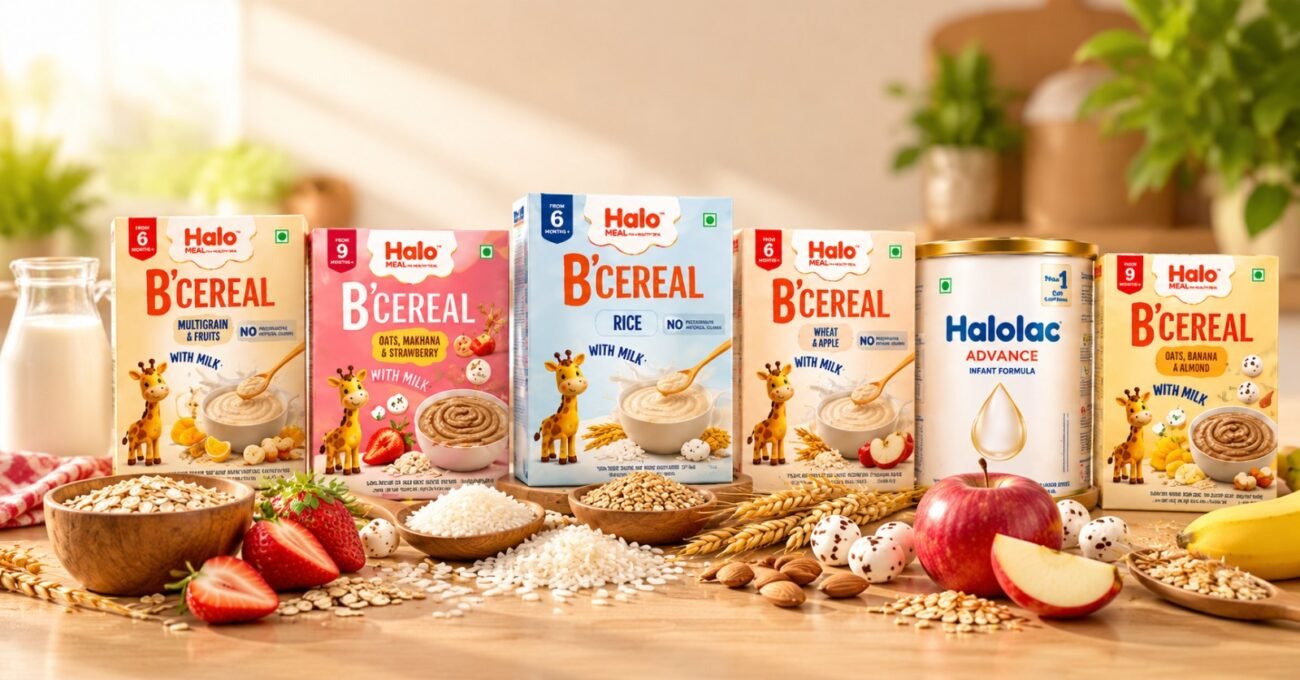
Looking for convenient baby food options?
Visit Halo Meal at https://halomeal.com/ to explore the available products and make informed choices for your family’s feeding routine.
Disclaimer: This article provides general educational information and is not a substitute for personalized medical or nutritional advice. Consult your pediatrician or a qualified pediatric dietitian about your baby’s individual feeding needs.