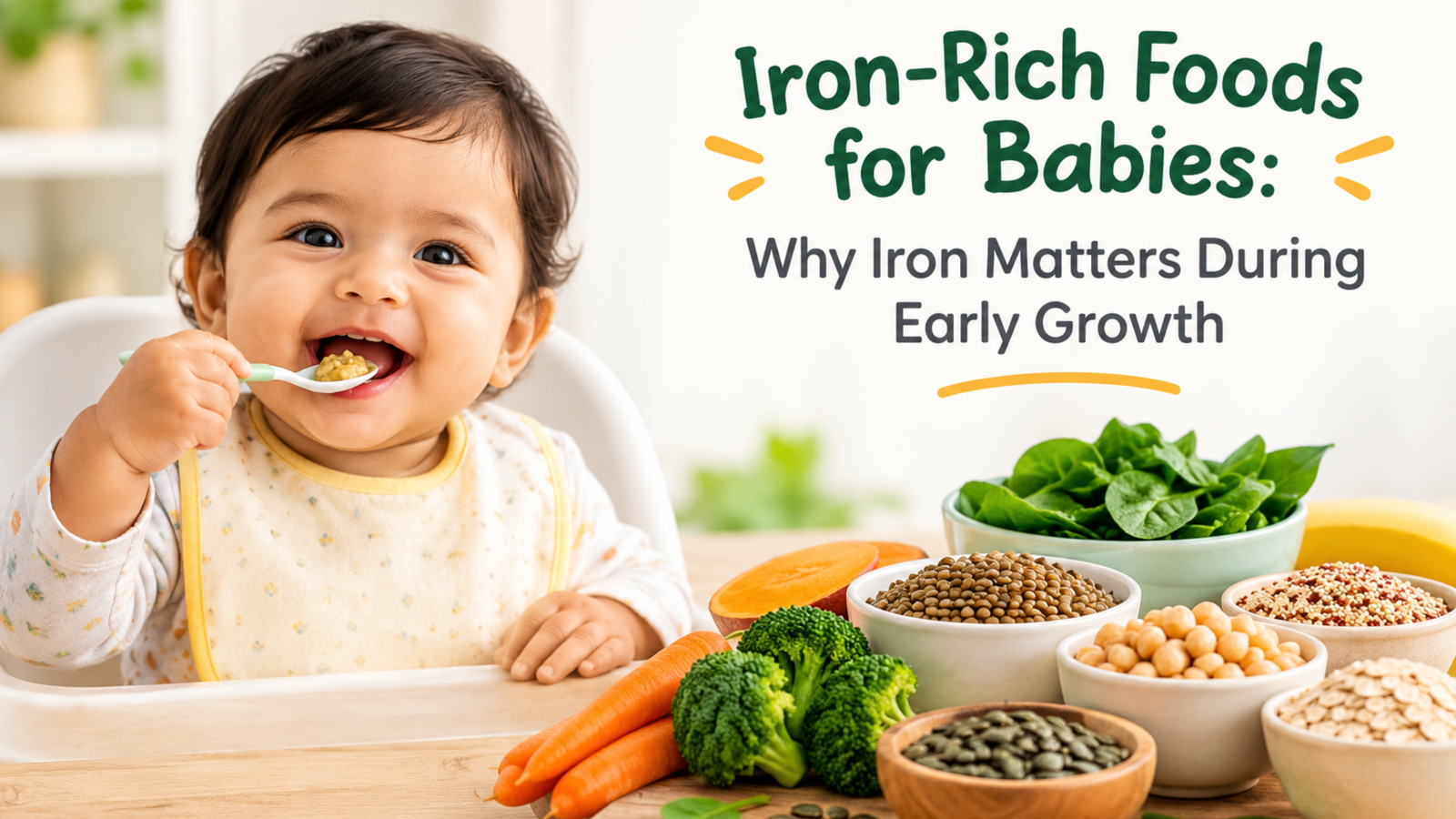
Iron-Rich Foods for Babies: Why Iron Matters During Early Growth
The first year of a baby’s life is filled with rapid growth and development. As babies become more active and begin exploring different foods, their nutritional needs also change. One nutrient that deserves special attention during this stage is iron.
Iron supports several important functions in the body, including healthy blood production, oxygen transport, brain development, and normal growth. As babies transition to complementary foods around 6 months, parents can gradually introduce a variety of iron-rich foods as part of a balanced diet.
Why Is Iron Important for Babies?
Iron is an essential mineral that helps the body produce hemoglobin, a protein in red blood cells that carries oxygen throughout the body.
During infancy, babies experience rapid physical and brain development. Adequate iron intake is therefore an important part of a nutritious diet.
Iron contributes to:
Healthy red blood cell production
Oxygen transportation throughout the body
Normal cognitive and brain development
Energy and growth
Healthy immune function
Overall development during early childhood
Babies are generally born with iron stores that support them during the first several months. As these stores decrease, dietary sources become increasingly important, particularly after around 6 months of age.
When Do Babies Need More Iron From Food?
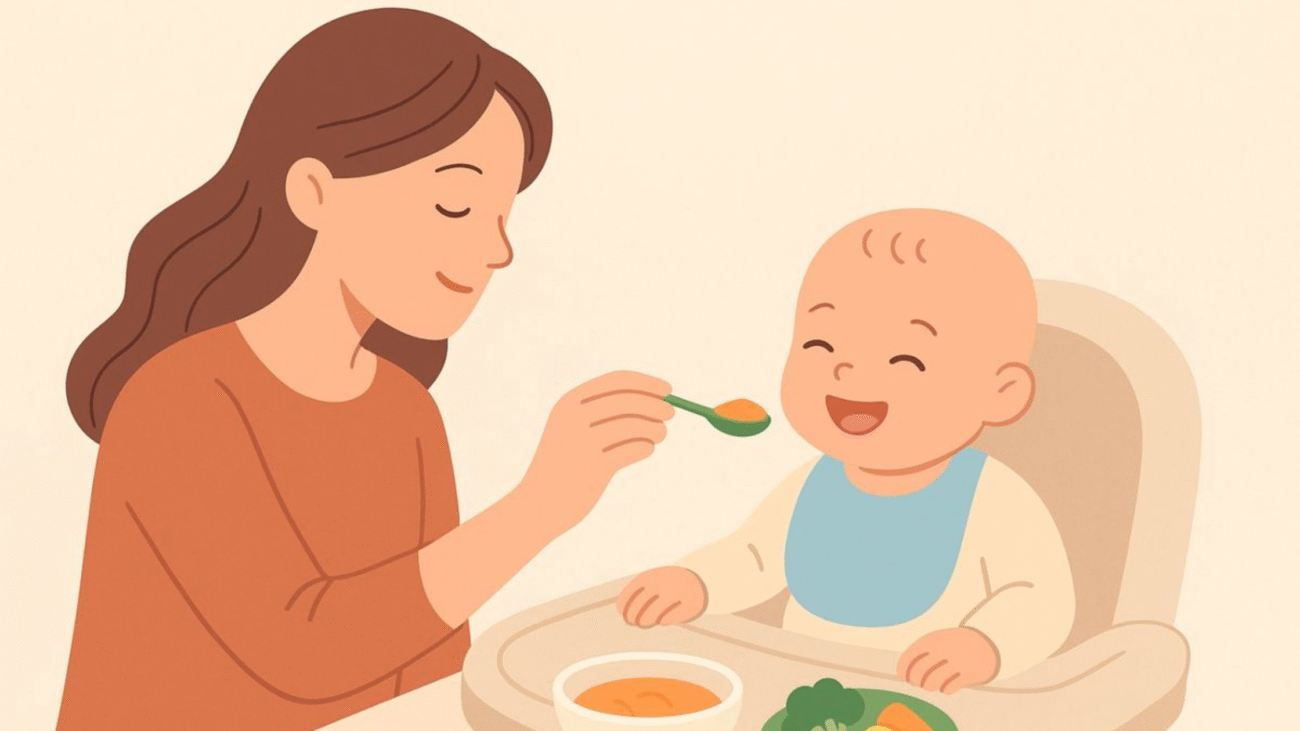
Around 6 months, many babies are developmentally ready to begin complementary foods alongside breast milk or infant formula.
At this stage, parents can introduce foods containing important nutrients, including iron.
The goal isn’t to replace breast milk or formula immediately. Instead, complementary foods gradually add new nutrients, tastes, textures, and eating experiences to the baby’s diet.
Explore about us: https://halomeal.com/about-us/
Best Iron-Rich Foods for Babies
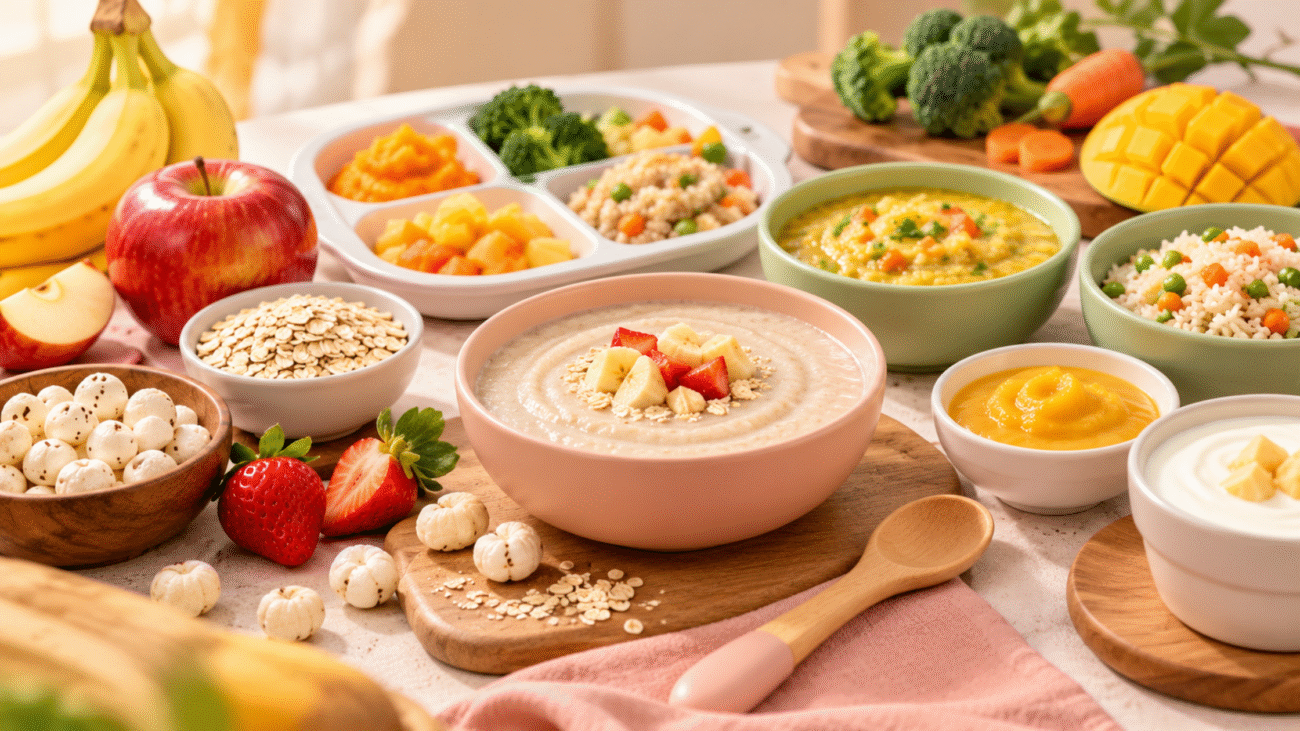
There are many nutritious foods that can contribute iron to a baby’s diet. The appropriate texture and preparation depend on the baby’s developmental stage.
1. Lentils and Dals
Lentils are a convenient plant-based source of iron and can be introduced in baby-friendly forms.
Depending on the baby’s stage, parents can prepare well-cooked dal and serve it in a smooth, soft, or appropriately mashed consistency.
Lentils can also be combined with other nutritious foods to create balanced meals.
2. Beans
Beans such as kidney beans, chickpeas, and other legumes can contribute iron and other nutrients.
For babies, beans should be thoroughly cooked and prepared into a soft, smooth, or mashed consistency appropriate for their developmental stage.
Whole or firm beans can present a choking risk, so preparation and texture are important.
3. Green Leafy Vegetables
Vegetables such as spinach and other dark green leafy vegetables can contribute iron along with vitamins, minerals, and fiber.
For babies, leafy vegetables should be thoroughly cooked and prepared into an age-appropriate texture.
Combining vegetables with other foods can also introduce babies to different flavors.
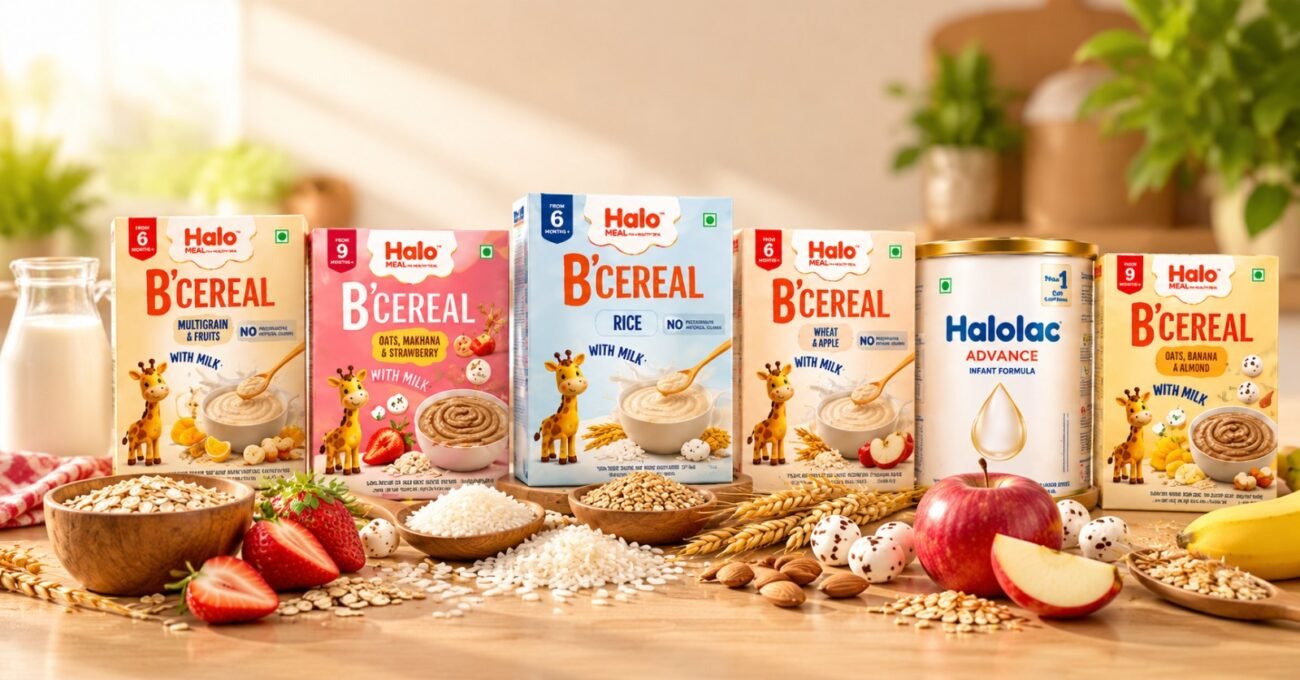
4. Iron-Fortified Infant Cereals
Iron-fortified infant cereals can be a practical source of iron for babies starting complementary foods.
They can be prepared according to the product instructions and offered in an age-appropriate consistency.
Parents should check the nutrition label when selecting infant cereals and choose products appropriate for their baby’s age.
5. Meat and Poultry
Meat and poultry provide heme iron, which the body can generally absorb more efficiently than the non-heme iron found in plant foods.
For babies who eat animal foods, well-cooked and appropriately prepared meat or poultry can be included as part of complementary feeding.
6. Eggs
Eggs provide several nutrients and can be included in a baby’s complementary diet when developmentally appropriate.
Eggs should be thoroughly cooked and served in a texture that is safe and suitable for the baby’s age and eating skills.
7. Tofu and Soy-Based Foods
Tofu can provide iron and protein and may be included in a baby’s diet when appropriately prepared.
Soft tofu can be easier to adapt to baby-friendly meals, depending on the baby’s feeding stage.
Frequently Asked Questions
1. Why is iron important for babies?
Iron supports healthy blood production, oxygen transport, growth, and brain development. It becomes particularly important as babies begin complementary foods around 6 months.
2. What are some iron-rich foods for babies?
Depending on age and feeding stage, options can include lentils, beans, iron-fortified infant cereals, leafy vegetables, eggs, tofu, meat, and poultry.
3. When should babies start eating iron-rich foods?
Around 6 months, when babies are developmentally ready for complementary foods, parents can begin offering iron-containing foods alongside breast milk or infant formula.
4. Can babies get iron from plant-based foods?
Yes. Plant foods such as lentils, beans, leafy vegetables, and fortified cereals can provide non-heme iron.
5. Does vitamin C help with iron absorption?
Yes. Vitamin C can help improve the absorption of non-heme iron from plant-based foods.
Conclusion:
Iron-rich foods are an important part of a baby’s complementary feeding journey. From lentils, beans, and leafy vegetables to iron-fortified cereals, eggs, meat, and tofu, there are many ways to introduce iron-containing foods into age-appropriate meals.
The key is variety, suitable preparation, safe textures, and a balanced approach to complementary feeding.
Follow us on Instagram: https://www.instagram.com/eat.halomeal/