Infants Baby Food: What to Feed Your Baby at Different Stages
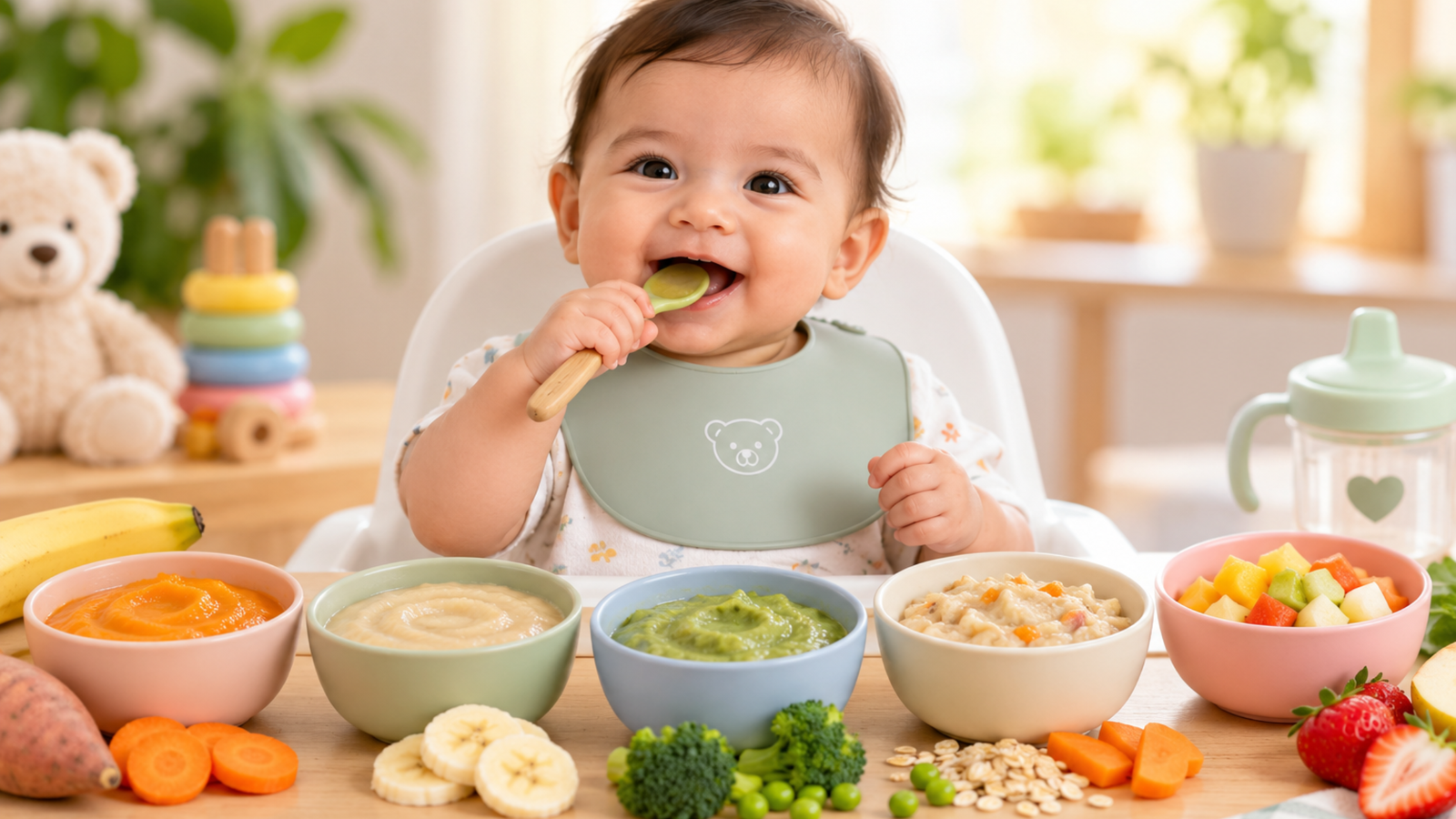
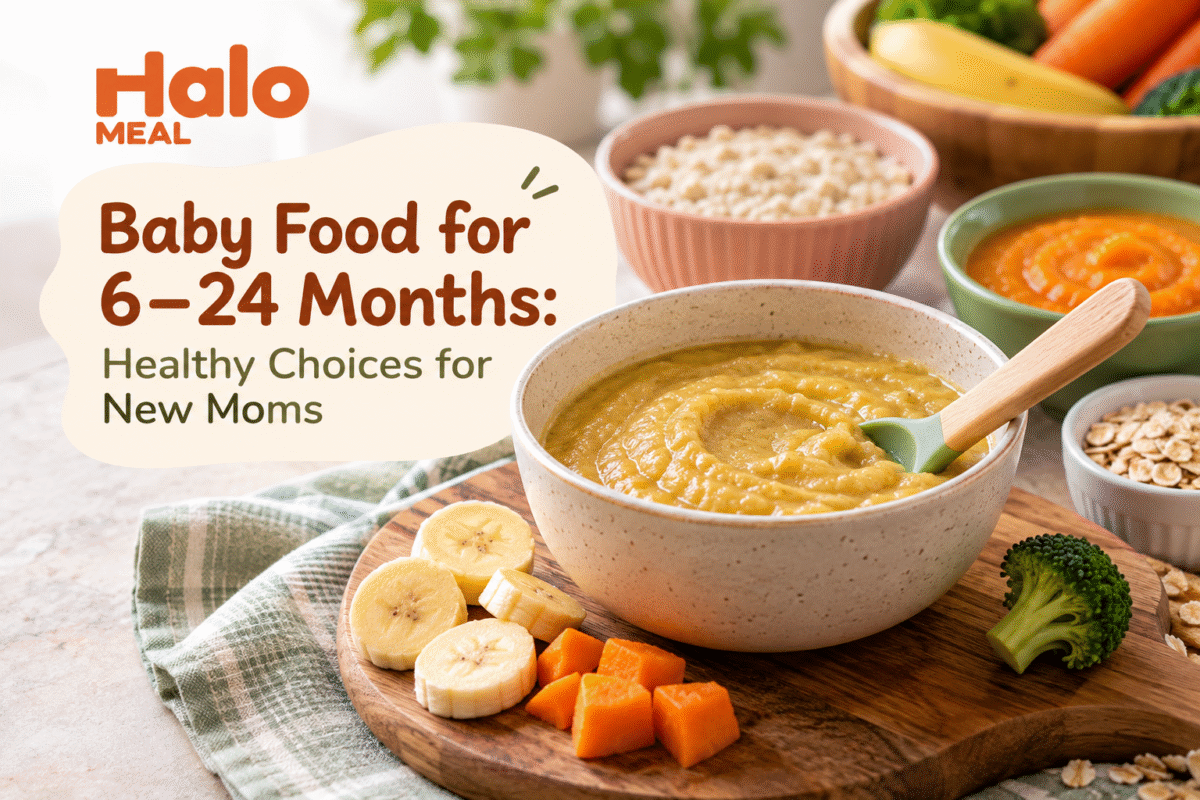
Choosing the right infants baby food can feel confusing, especially when your baby is moving from milk to their first solid foods. As babies grow, their nutritional needs, eating skills, and ability to handle different textures also change.
The transition to solid foods is generally recommended at around 6 months, when complementary foods are introduced alongside breast milk or infant formula. WHO recommends gradually increasing the variety, texture, and frequency of foods as the baby grows.
Shop with us: https://halomeal.com/shop-2/
When Should Babies Start Eating Solid Food?
Most babies can start complementary foods at around 6 months of age, when they are developmentally ready. Signs of readiness can include sitting with support, controlling the head and neck, opening the mouth when food is offered, and being able to swallow food rather than pushing it out.
Before starting solids, parents should consider their baby’s individual development and speak with a pediatrician if they have questions about feeding.
Infants Baby Food: 6 to 8 Months
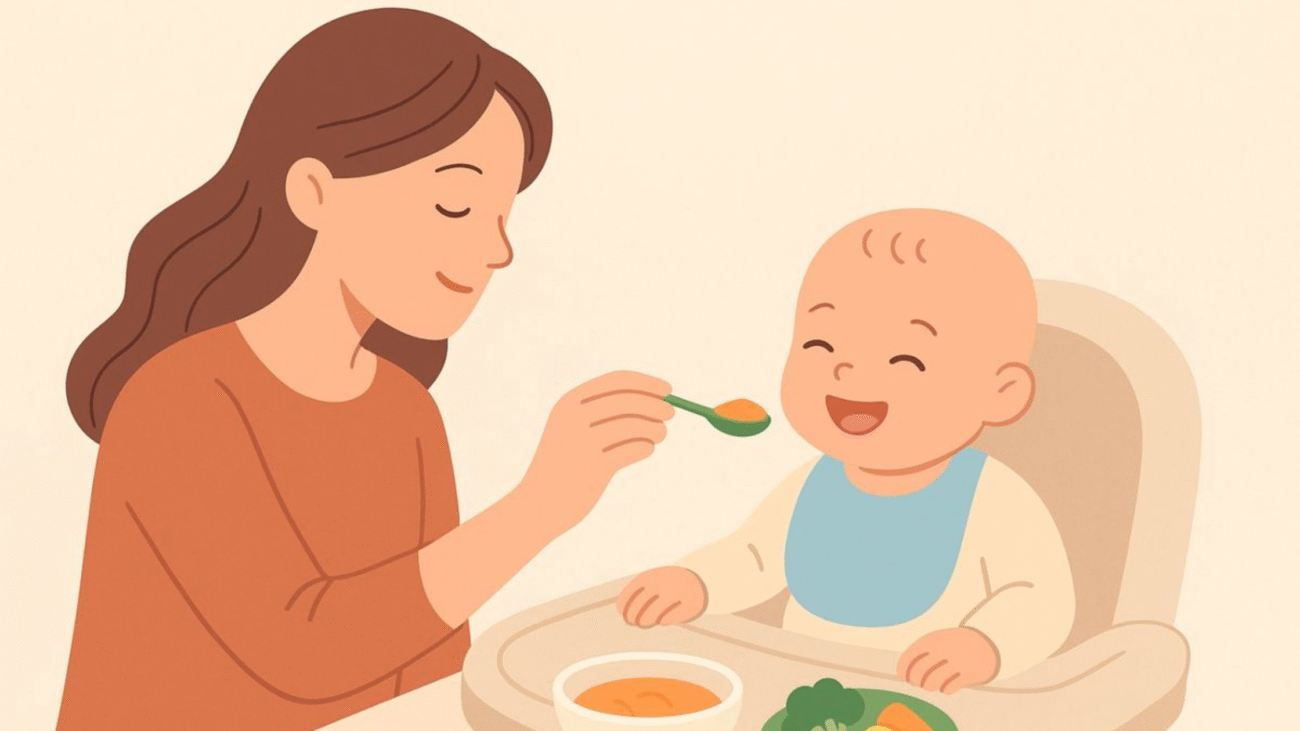
The first few months of introducing solids are about helping your baby become comfortable with eating.
At this stage, start with small amounts and gradually introduce different foods and textures as your baby becomes more comfortable.
Foods You Can Introduce
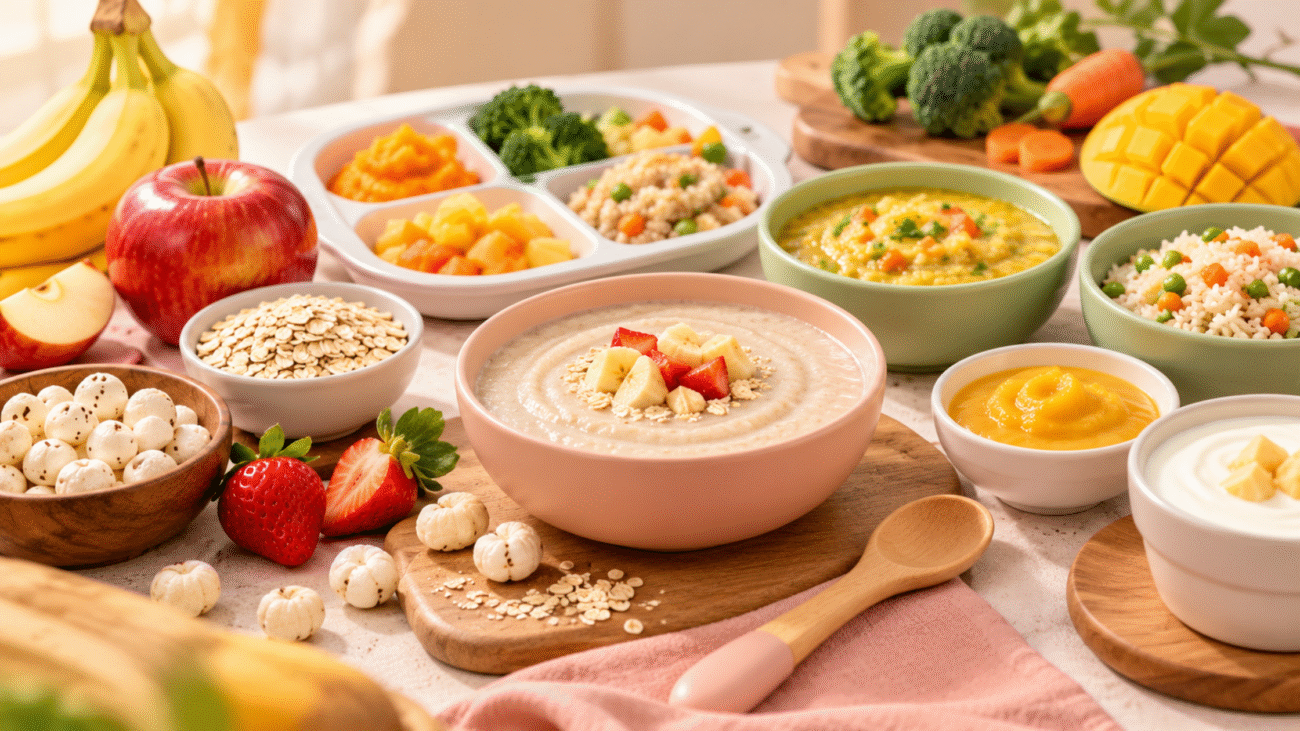
Depending on your baby’s development, suitable foods can include:
- Mashed vegetables
- Soft fruits
- Cooked and mashed grains
- Lentils and other soft legumes
- Well-cooked and mashed vegetables
- Eggs
- Soft meat or other protein foods prepared appropriately
- Unsweetened yogurt
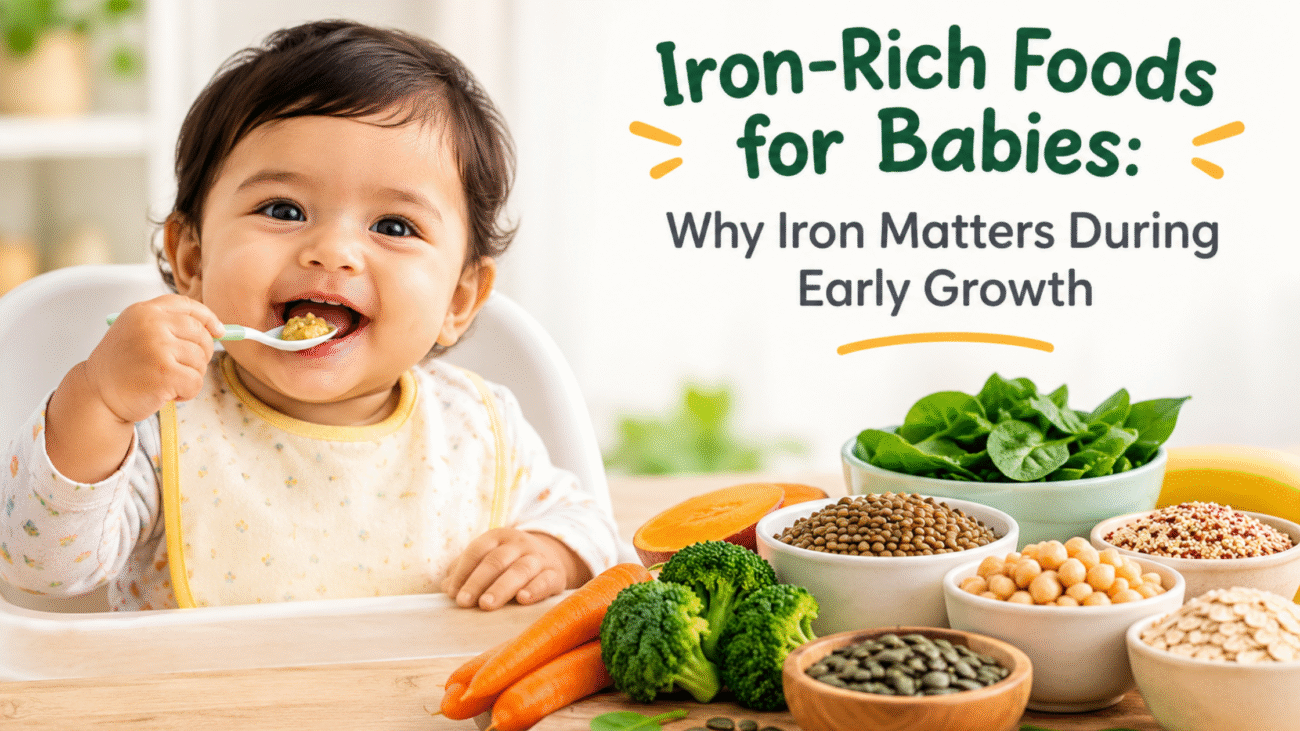
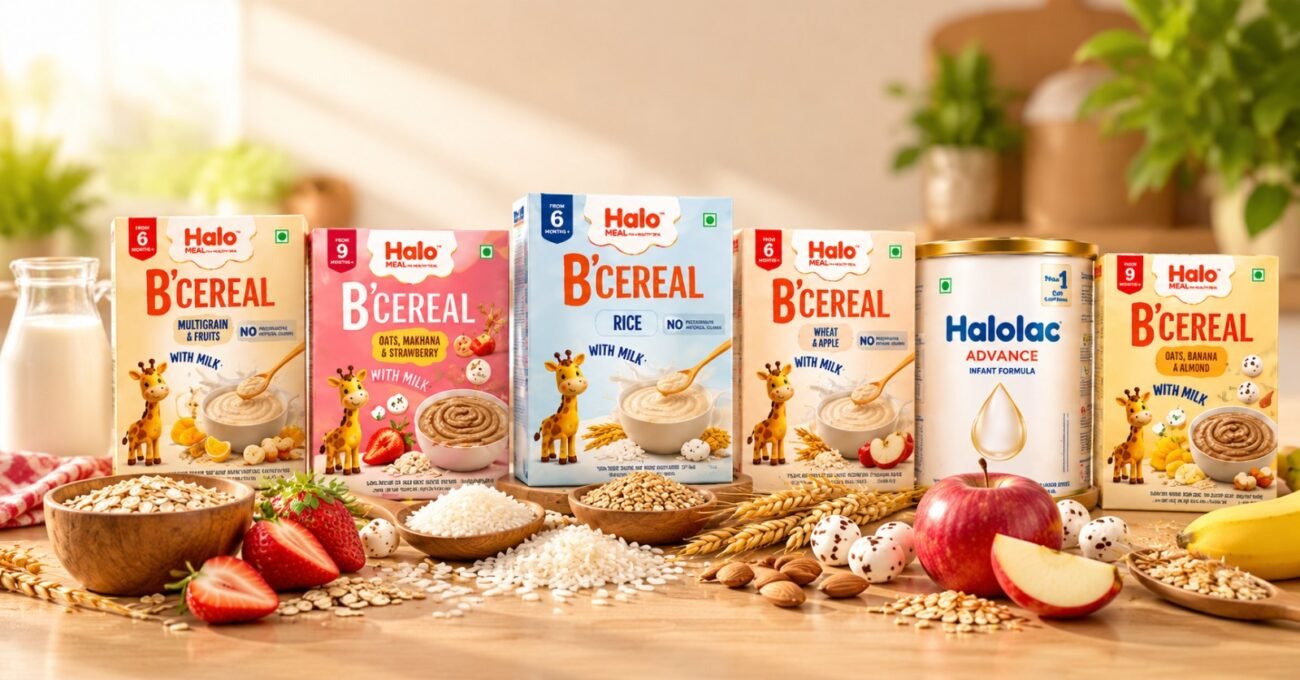
- Iron-fortified infant cereals
CDC guidance recommends offering a variety of food groups rather than following a strict order for introducing foods.
Suitable Textures
Initially, foods may need to be:
- Smooth
- Pureed
- Mashed
- Soft and semi-solid
As your baby develops better eating skills, gradually move toward thicker and more textured foods.
Feeding Frequency
WHO recommends complementary foods around 2–3 times a day for babies aged 6–8 months, while continuing breastfeeding or appropriate milk feeding.
Start with small portions and allow your baby’s appetite and development to guide gradual increases.
Infants Baby Food: 9 to 11 Months
Between 9 and 11 months, many babies become more comfortable with different textures and begin developing stronger self-feeding skills.
At this stage, foods can gradually become thicker, finely chopped, minced, or soft enough for the baby to pick up.
Foods to Include
A varied diet can include:
- Soft cooked vegetables
- Soft fruits
- Rice and other grains
- Lentils and beans prepared appropriately
- Eggs
- Fish or meat prepared safely
- Unsweetened yogurt and other suitable dairy foods
- Soft finger foods
- Nut or seed butters in an appropriate thin consistency
The focus should be on variety and nutrient-dense foods rather than relying on one type of food.
Finger Foods
By around 8 months, many babies can begin handling finger foods, provided the food is prepared in a developmentally appropriate way. WHO recommends gradually increasing food consistency and variety as babies become older.
Examples include soft-cooked vegetables, ripe soft fruit, or other foods cut into appropriate shapes and sizes.
Feeding Frequency
WHO recommends approximately 3–4 meals per day for babies aged 9–11 months, along with continued milk feeding.
Tips for Preparing Healthy Baby Food
Preparing baby food safely is just as important as choosing nutritious ingredients.
Keep Food Clean
Wash hands, utensils, preparation surfaces, fruits, and vegetables properly.
Cook Foods Until Soft
Hard vegetables and fruits should be cooked until they are soft enough to mash when appropriate.
Choose the Right Texture
Do not give food in a texture or shape that your baby cannot safely manage.
Introduce Variety
Offer foods from different food groups and gradually introduce different tastes and textures.
Follow Your Baby’s Hunger and Fullness Cues
Responsive feeding means paying attention to signs that your baby is hungry or full rather than forcing them to finish a particular amount. WHO recommends responsive feeding as part of appropriate complementary feeding.
Frequently Asked Questions
1. When can babies start eating baby food?
Most babies can start complementary foods at around 6 months when they show appropriate developmental readiness.
2. What food should I give my 6-month-old baby first?
There is no single required first food. Babies can be introduced to a variety of nutritious foods, including vegetables, fruits, grains, protein foods, and suitable dairy foods, prepared in an age-appropriate texture.
3. Can babies eat fruits and vegetables?
Yes. Fruits and vegetables can be introduced as complementary foods from around 6 months when prepared in a safe, developmentally appropriate texture.
4. When can babies eat finger foods?
Many babies can begin eating finger foods at around 8 months, depending on their developmental readiness. Foods should be soft and prepared to reduce choking risk.
5. Can babies eat honey?
No. Honey should not be given to children under 12 months because of the risk of botulism.
Conclusion:
Choosing the right infants baby food is about more than simply finding foods your baby likes. As your baby grows, food should gradually become more varied and move from smooth textures to mashed, chopped, finger foods, and eventually appropriately prepared family meals.
Starting complementary foods around 6 months, offering a variety of nutrient-dense foods, introducing different textures, following hunger and fullness cues, and preparing food safely can help make the transition easier.
Follow us on Instagram: https://www.instagram.com/eat.halomeal/